SPF 30 vs SPF 50 for Indian Skin: Which Sunscreen Is Better?
If you have ever stood in front of a sunscreen shelf and wondered, “Should I buy SPF 30 or SPF 50?”, you are not alone. With India’s strong sunlight, hot summers, and high UV exposure, choosing the right sunscreen is an important part of daily skincare.
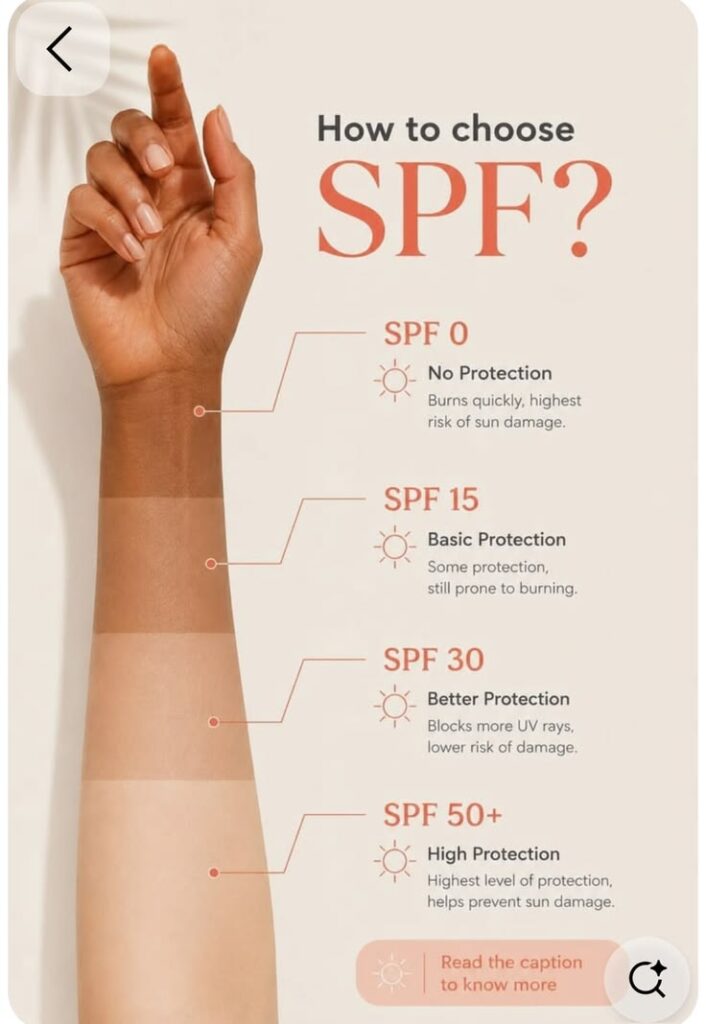
The good news is that both SPF 30 and SPF 50 can provide strong protection when used correctly. The bigger difference is the level of UVB protection they offer and how well the sunscreen fits your daily routine.
For everyday protection, dermatologists recommend using a broad-spectrum sunscreen with SPF 30 or higher. Broad-spectrum means protection against both UVA and UVB rays.
So, is SPF 50 better than SPF 30 for Indian skin? In many situations, SPF 50 can be a useful choice, especially when you spend more time outdoors. But the best sunscreen is one you apply generously and reapply when needed.
SPF 30 vs SPF 50: What Do These Numbers Actually Mean?
SPF stands for Sun Protection Factor. It mainly tells you how well a sunscreen protects your skin from UVB radiation, which is strongly linked with sunburn. It does not tell you everything about UVA protection, which is why you should also look for broad-spectrum protection.
Think of SPF as a protection rating rather than a timer.
For example:
- SPF 30 filters about 97% of UVB radiation.
- SPF 50 filters a little more UVB radiation than SPF 30.
- Neither SPF 30 nor SPF 50 blocks 100% of UVB rays.
- A higher SPF does not mean you can stay in the sun all day without reapplying.
The American Academy of Dermatology recommends sunscreen with SPF 30 or higher, broad-spectrum protection, and water resistance.
SPF 30 vs SPF 50: Key Differences at a Glance
| Feature | SPF 30 | SPF 50 |
|---|---|---|
| UVB protection | High | Very high |
| Broad-spectrum protection | Depends on product | Depends on product |
| Suitable for daily use | Yes | Yes |
| Suitable for outdoor activities | Yes, with proper application | Often a better choice |
| Reapplication needed | Yes | Yes |
| Protection from UVA | Depends on broad-spectrum/UVA rating | Depends on broad-spectrum/UVA rating |
| Best for | Regular daily exposure | Stronger sun exposure and outdoor routines |
The important point is that SPF alone does not describe the complete sunscreen. A good sunscreen should also provide broad-spectrum protection and be suitable for your skin type and lifestyle.
Is SPF 50 Better Than SPF 30 for Indian Skin?
Not automatically—but SPF 50 can be a practical choice for many people in India, particularly if they spend a lot of time outdoors.
India experiences strong sunlight in many regions, and UV exposure can contribute to sunburn, premature skin ageing, and pigmentation. The World Health Organization recommends using broad-spectrum sunscreen with at least SPF 30 along with shade and protective clothing.
Choose based on your lifestyle:
SPF 30 may work well if:
- You mostly stay indoors.
- You have limited daily sun exposure.
- You travel only short distances outside.
- You apply enough sunscreen and reapply when required.
SPF 50 may be preferable if:
- You commute outdoors regularly.
- You spend several hours outside.
- You play sports or exercise outdoors.
- You travel frequently.
- You are especially concerned about tanning or pigmentation.
- You live in an area with strong UV exposure.
However, SPF 50 is not a replacement for correct sunscreen application.
Why SPF 50 May Be a Better Choice Under the Indian Sun
Indian skin tones contain different levels of melanin, but having more melanin does not mean your skin is completely protected from UV damage.
Sun exposure can contribute to tanning and uneven pigmentation. UVA rays are also associated with premature skin ageing, while UVB rays are a major cause of sunburn.
This is why choosing sunscreen based only on your skin tone is not enough.
If you regularly travel through strong sunlight, walk outdoors, commute by bike, or spend time outside, SPF 50 can provide an extra level of UVB protection.
But remember: SPF 50 does not last longer than SPF 30. Both need to be reapplied when necessary.
SPF 30 vs SPF 50 for Different Indian Skin Types
Your skin type is another important factor when selecting sunscreen.
| Skin Type | What to Look For | SPF Choice |
|---|---|---|
| Oily skin | Lightweight, gel-based, non-comedogenic formula | SPF 30 or SPF 50 |
| Dry skin | Moisturising sunscreen | SPF 30 or SPF 50 |
| Sensitive skin | Gentle formula; consider mineral options | SPF 30+ |
| Combination skin | Lightweight but hydrating formula | SPF 30 or SPF 50 |
| Acne-prone skin | Non-comedogenic sunscreen | SPF 30 or SPF 50 |
The American Academy of Dermatology recommends selecting skincare products according to your skin type and looking for products labelled non-comedogenic if clogged pores are a concern.
SPF 30 vs SPF 50 for Oily and Acne-Prone Skin
If you have oily or acne-prone skin, SPF 50 is not automatically too heavy.
Instead of focusing only on the SPF number, look for a sunscreen that is:
- Lightweight
- Non-comedogenic
- Comfortable on oily skin
- Easy to reapply
- Broad-spectrum
A gel or fluid sunscreen may feel more comfortable than a thick cream.
SPF 30 vs SPF 50 for Dry Skin
Dry skin can benefit from a sunscreen with moisturising ingredients.
Look for a formula that feels comfortable and does not leave your skin tight or flaky.
Both SPF 30 and SPF 50 can work for dry skin. Your choice should depend more on the formula and amount of sun exposure.
SPF 30 vs SPF 50 for Sensitive Skin
Sensitive skin may react to certain skincare ingredients.
If your skin is sensitive, choose a sunscreen carefully and patch-test new products when appropriate. Mineral sunscreens containing zinc oxide or titanium dioxide may be an option for some people with sensitive skin.
SPF 30 vs SPF 50 for Pigmentation and Dark Spots
If you are concerned about dark spots or pigmentation, sunscreen should be an important part of your routine.
UV exposure can worsen uneven pigmentation. Visible light can also contribute to skin darkening, particularly in darker skin tones. Tinted sunscreens containing iron oxide may provide additional protection against visible light.
In this situation, don’t look at SPF alone. Consider:
Broad-spectrum protection + adequate SPF + UVA protection + consistent application.
SPF 30 vs SPF 50 for Daily Use in India
For most people, sunscreen should be part of their daytime skincare routine.
A simple morning routine can look like:
Cleanser → Serum (if needed) → Moisturizer → Sunscreen
Apply sunscreen as the final step of your morning skincare routine.
If you are going outdoors, apply it before exposure to the sun. The AAD recommends applying sunscreen about 15 minutes before going outside.
SPF 30 vs SPF 50: Which Is Better for Indoor Use?
Being indoors does not always mean zero UV exposure.
UVA rays can pass through window glass, so people who sit near windows for long periods may still receive UV exposure.
For regular indoor days with little sun exposure, SPF 30 may be sufficient for many people. If you spend time near windows or frequently move between indoors and outdoors, SPF 50 may be a convenient choice.
SPF 30 vs SPF 50: Which Is Better for Outdoor Activities?
If you are going hiking, travelling, playing sports, exercising outdoors, or spending several hours outside, consider a broad-spectrum, water-resistant SPF 50 sunscreen.
Sweating and swimming can reduce sunscreen protection, so reapplication is important.
SPF 30 vs SPF 50 for Indian Summers and High UV Index
During periods of strong sunlight, sun protection becomes even more important.
The WHO recommends taking sun-protection measures when the UV Index reaches 3 or above. These measures include seeking shade, wearing protective clothing, and using sunscreen.
For long outdoor exposure, SPF 50 can be a sensible choice.
SPF 30 vs SPF 50: Why PA+++ or PA++++ Matters for Indian Skin
Here’s an important point that many sunscreen buyers miss:
SPF mainly measures UVB protection.
For UVA protection, you should look for information such as PA+, PA++, PA+++, or PA++++, depending on the sunscreen’s labelling system.
UVA exposure is associated with premature skin ageing and pigmentation, so looking for broad-spectrum or appropriate UVA protection is important.
A simple way to remember it:
SPF = mainly UVB protection
Broad spectrum/UVA rating = UVA protection
Therefore, don’t choose sunscreen simply because the tube says SPF 50.
SPF 30 vs SPF 50 Protects Against UVA and UVB: What You Need to Know
The sun produces different types of ultraviolet radiation.
UVA Rays
UVA rays are strongly associated with photoaging, including changes such as wrinkles and age spots. They can also pass through window glass.
UVB Rays
UVB rays are the main cause of sunburn and play an important role in UV-related skin damage. SPF primarily measures protection against UVB radiation.
Why You Need Both
This is why broad-spectrum sunscreen is important.
A sunscreen that protects against UVB but offers poor UVA protection does not provide the complete protection you want.
Does SPF 50 Prevent Tanning and Pigmentation Better Than SPF 30?
Sunscreen can help reduce UV exposure that contributes to tanning and pigmentation, but no sunscreen can completely prevent tanning or pigmentation.
Consistent application is more important than simply choosing the highest SPF number.
If pigmentation is your concern, consider:
- Broad-spectrum sunscreen
- SPF 30 or higher
- Strong UVA protection
- Tinted sunscreen with iron oxide when appropriate
- Hats and shade during strong sunlight
- Regular reapplication
Visible light can contribute to skin darkening, and tinted sunscreens containing iron oxide may offer additional protection against it.
How Much Sunscreen Should You Apply for Proper SPF 30 or SPF 50 Protection?
This is one of the biggest sunscreen mistakes people make.
A sunscreen can have SPF 50 on the label, but applying too little means you may not get the protection expected from that rating.
For the face, a practical method is to use approximately the amount covering the length of your index and middle fingers, according to AAD guidance.
Don’t forget areas such as:
- Face
- Neck
- Ears
- Hairline
- Hands
- Other exposed skin
Your sunscreen should cover all exposed areas.
How Often Should You Reapply SPF 30 or SPF 50 Sunscreen?
SPF 50 does not mean you can skip reapplication.
When outdoors, sunscreen should generally be reapplied about every two hours and after swimming or heavy sweating, following the product’s directions.
Think of sunscreen as something you maintain throughout the day—not something you apply once in the morning and forget.
How to Choose Between SPF 30 and SPF 50 for Indian Skin
Use this simple checklist:
Choose SPF 30 if:
- Your daily sun exposure is limited.
- You mainly stay indoors.
- You want a comfortable everyday sunscreen.
- The sunscreen provides broad-spectrum protection.
Choose SPF 50 if:
- You spend significant time outdoors.
- You commute regularly in strong sunlight.
- You exercise outdoors.
- You travel frequently.
- You want a higher level of UVB protection.
But whichever you choose, check these features:
✓ SPF 30 or higher
✓ Broad-spectrum protection
✓ UVA protection
✓ Water resistance if you sweat or swim
✓ Formula suitable for your skin type
The AAD recommends choosing sunscreen with SPF 30 or higher, broad-spectrum protection, and water resistance.
SPF 30 vs SPF 50: Common Sunscreen Mistakes to Avoid
Avoid these common mistakes:
- Using too little sunscreen
- Applying sunscreen only when it is sunny
- Forgetting the neck and ears
- Not reapplying after sweating or swimming
- Choosing SPF without checking UVA/broad-spectrum protection
- Thinking SPF 50 lasts longer than SPF 30
- Using sunscreen that does not suit your skin type
- Relying only on sunscreen for sun protection
Sun protection works best when sunscreen is combined with shade, protective clothing, hats, and sunglasses.
SPF 30 vs SPF 50: Which One Should You Choose?
So, SPF 30 vs SPF 50 for Indian skin—which is better?
SPF 30 can be enough for everyday protection when applied correctly. SPF 50 offers a higher level of UVB protection and can be especially useful for people who spend more time outdoors or experience strong sun exposure.
The most important thing is not simply choosing the biggest SPF number.
Choose a sunscreen that is:
Broad-spectrum + SPF 30 or higher + suitable for your skin type + applied generously + reapplied when needed.
For many people in India, SPF 50 is a convenient choice for regular outdoor exposure, while SPF 30 can work well for lower-exposure routines.
FAQs About SPF 30 vs SPF 50 for Indian Skin
Is SPF 30 enough for Indian skin?
Yes. SPF 30 can provide strong UVB protection when applied correctly. For daily protection, choose at least SPF 30 and look for broad-spectrum protection.
Is SPF 50 necessary for Indian skin every day?
Not necessarily. SPF 30 is considered an effective minimum by dermatology guidance. However, SPF 50 can be a useful choice for people with frequent or prolonged outdoor exposure.
Can SPF 30 prevent tanning and pigmentation?
Sunscreen can help reduce UV exposure that contributes to tanning and pigmentation, but it cannot guarantee that tanning will never occur. Consistent application and reapplication are important.
Does SPF 50 protect much more than SPF 30?
SPF 50 provides more UVB protection than SPF 30, but the difference is not as large as the numbers might suggest. SPF 30 already filters about 97% of UVB radiation.
Which is better for oily skin: SPF 30 or SPF 50?
Either can work. For oily skin, focus on finding a lightweight, non-comedogenic formula that you will comfortably use every day.
Is SPF 50 better than SPF 30 for Indian summers?
For long periods outdoors during strong sunlight, SPF 50 can be a useful choice. However, proper application, reapplication, shade, and protective clothing remain important.
Should I use SPF 30 or SPF 50 indoors?
For days spent mostly indoors with little sun exposure, SPF 30 may be sufficient for many people. If you spend significant time near windows or frequently go outdoors, SPF 50 may be preferred.
How much SPF 50 sunscreen should I apply to my face?
Use enough to adequately cover your exposed skin. AAD guidance suggests approximately the amount covering the length of the index and middle fingers for the face.
Do I need PA++++ with SPF 50 for Indian skin?
A high SPF does not automatically tell you the level of UVA protection. Look for broad-spectrum protection and an appropriate UVA rating such as PA++++ where that labelling system is used.
Does SPF 50 cause more acne or feel heavier than SPF 30?
Not necessarily. The texture depends on the sunscreen’s formulation, not simply its SPF number. If you have oily or acne-prone skin, look for lightweight and non-comedogenic formulas.
Final Takeaway
When comparing SPF 30 vs SPF 50 for Indian skin, don’t focus only on the number printed on the bottle.
SPF 30 is a strong everyday option, while SPF 50 can offer extra UVB protection and may be especially useful for outdoor lifestyles.
More importantly, choose broad-spectrum sunscreen with SPF 30 or higher, apply enough, and reapply when required. Combine sunscreen with shade, protective clothing, and other sun-protection habits for better overall protection.